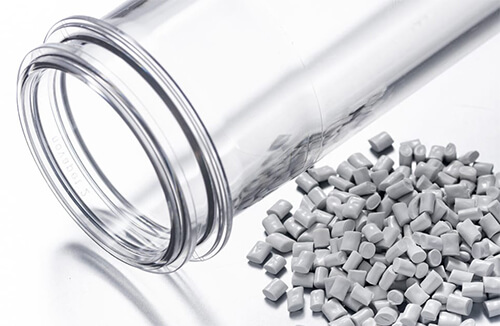
PET plastic resin comes in different intrinsic viscosity and melting point, the difference in the PET plastic material properties make them suitable for different functions and applications.
Product Type
Acetaldehyde Content (ug/g)
Intrinsic Viscosity (dL/g)
Melting point (℃)
Recommended Applications
WK-801
≤1.0
0.80± 0.015
247±2
Water bottles, snack bottles, cosmetics bottles, etc.
WK-801L
≤1.0
0.77± 0.015
247±2
WK-811
≤1.0
0.79± 0.015
251±2
Tea bottles, flavouring bottles, etc.
WK-811L
≤1.0
0.76± 0.015
251±2
WK-821
≤1.0
0.83± 0.015
245±2
Edible Oil bottles, medical bottles, etc.
Applications of Food Grade Polyethylene Terephthalate PET Resin
Wankai PET resin is a versatile material widely used across food and beverage industries. Its popularity stems from its durability, recyclability, and excellent barrier properties. Below are the detailed applications of PET plastic safe for food.
Water Bottles
Polyethylene terephthalate resin is preferred for water bottles due to its lightweight and ability to maintain the purity and taste of the water.
Tea Bottles and Flavoring Bottles
Polyethylene terephthalate material provides a sturdy and transparent container that preserves the flavor and freshness of teas and other flavored beverages.
Sparkling Beverage and CSD Bottles
PET bottle material can withstand the pressure of carbonation, making them ideal for sparkling beverages and carbonated soft drinks (CSD).
Snack Packaging
PET resin is ideal for snack packaging due to its light weight, durability, and excellent barrier properties that preserve freshness and offer clarity.
Edible Oil Bottles
PET plastic products offers a non-reactive and airtight container that prevents oxidation and contamination of edible oils.
Transparent Containers
PET resin uses are versatile in the production of transparent containers for various food items, providing a clear view of the contents and an attractive packaging solution.
What is PET resin meaning?
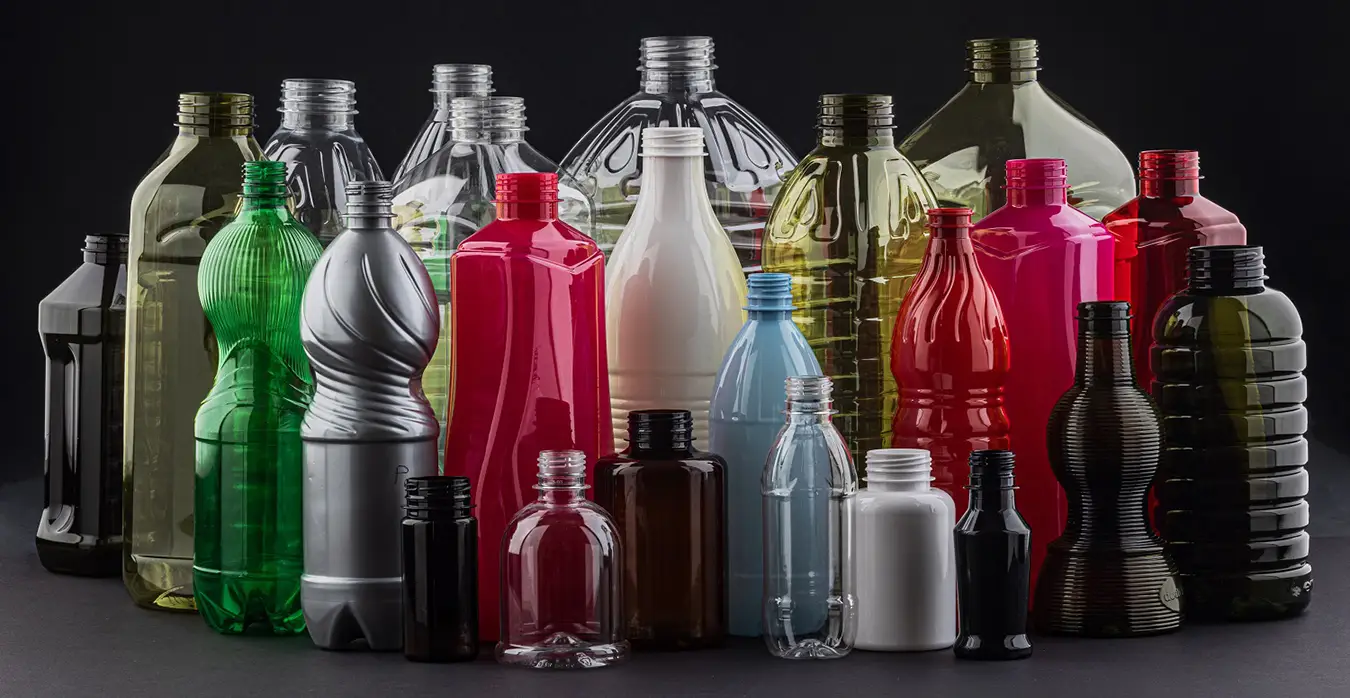
Polyethylene terephthalate, also named PET, stands for a type of pure, strong, lightweight, and 100% recyclable plastic. Our polyester chip is highly used for packaging foods and beverages for its safe quality. Because it has all the benefits of glass – being a strong material that won’t react with foods.
Is PET Plastic Recyclable?
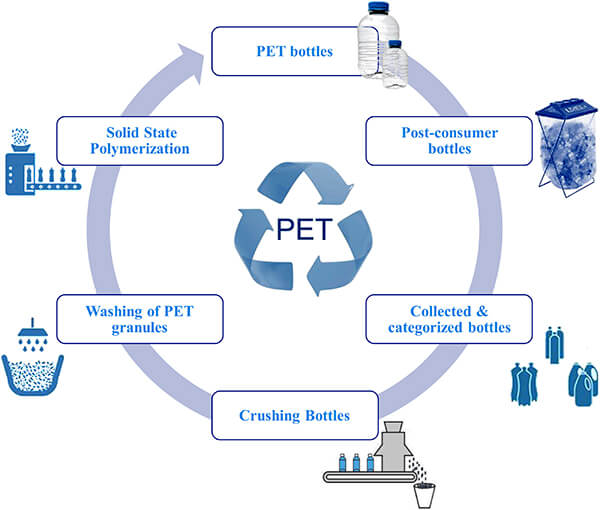
Compared with other types of plastic, Polyester chips are an excellent one that is 100% recyclable, versatile, and made to be remade. PET material products like bottles and containers usually be melted down and spun into fibres for fibrefill or carpets. When collected in a suitably pure state, PET bottle material can be recycled into its original uses, and methods have been devised for breaking the polymer down into its chemical precursors for resynthesizing into Polyester chips.
How is PET bottle made of?
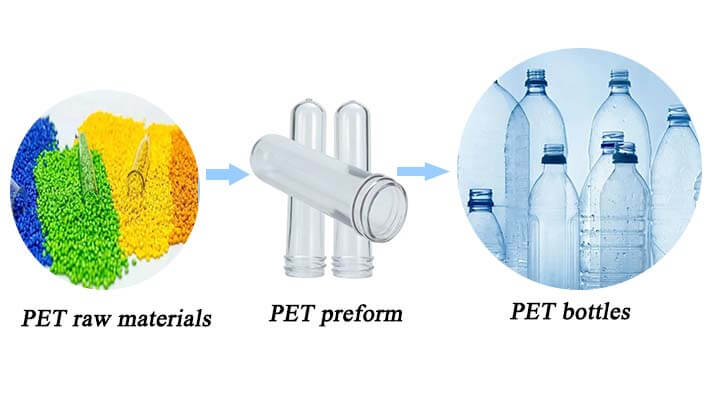
Plastic bottles are made using blow molding techniques like reheat and blow molding. Initially, PET Bottle Plastic are molded into thin tubes called parisons. These parisons are heated, shaped into bottles using pressurized air in a mold, and then cooled. After trimming excess PET plastic, the bottles are ready for use.